
How to Route Inbound B2B Leads Without Losing the Conversation
Lead Generation & Prospecting
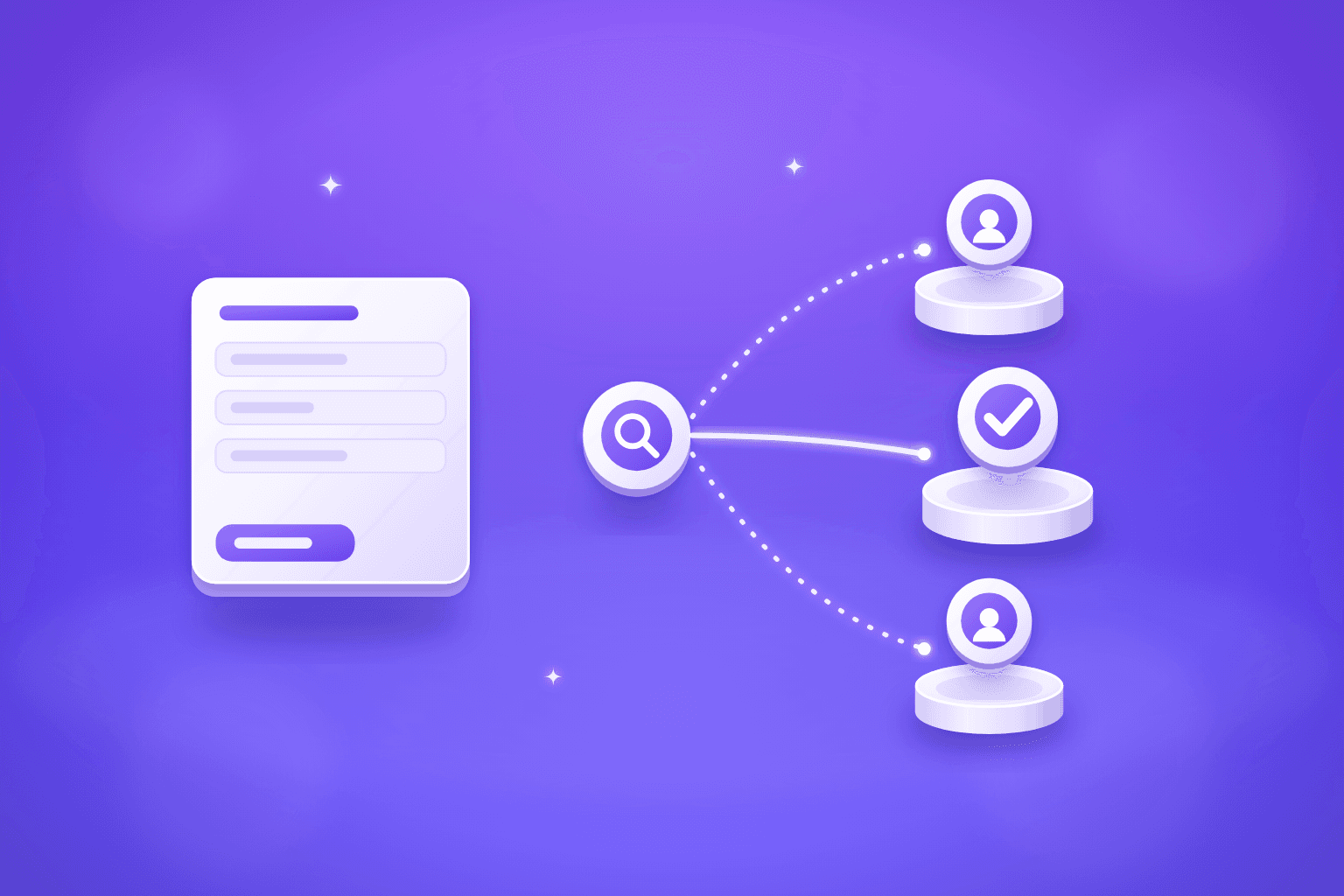
Inbound lead routing assigns each inquiry to the right owner, records why it arrived, and triggers a suitable next action. A good system distinguishes a demo request from a newsletter signup, recognizes existing accounts, and gives every accepted lead one accountable owner. The goal is a useful response, not a fast automated acknowledgment that nobody follows.
A lead can be lost while every tool reports success. The form submitted, the CRM record appeared, and the notification fired, but the assigned seller was on leave or the contact matched an old owner. A routing design must cover exceptions, reassignment and missed response windows.
Classify the inquiry before assigning it
At minimum, separate high-intent requests such as “talk to sales” or a pricing inquiry; contextual requests such as a case study or webinar question; low-intent signals such as a newsletter subscription; and non-sales items such as support, careers and vendor pitches. Do not call all four “new leads” and send them the same email.
Google Analytics allows a team to mark lead-generation actions such as “generate_lead” as key events, but a measured form event is not itself proof of a qualified opportunity. The CRM must carry the form type and downstream outcome. Google Analytics lead-event guidance.
Ask only for the fields needed to route and respond. Company, work email, market and a concise “what are you trying to solve?” prompt may be enough for a demo request. Long forms can create more data while delaying the conversation. If a person submits personal data in the EU, provide the relevant privacy information and handle it under the GDPR.
Use a routing order that handles known relationships
First, match the domain or account to an existing customer, open opportunity or named owner. Second, check market, language and service line. Third, apply a backup owner if the primary owner is unavailable. Fourth, place records that cannot be matched in a monitored exception queue, not a silent “unassigned” state.
Document whether ownership is by geography, industry, product, named account or round robin. If rules overlap, specify precedence. A Swedish customer asking about a new DACH initiative may belong with the current account manager first, even if the country field says Germany. The route should support the relationship rather than blindly reward an algorithm.
Deduplicate at the account level. A second inquiry from a colleague at an open opportunity should add context to the existing deal, not create a competing lead owned by another rep. Keep an audit trail of the route and any manual reassignment.
Design the first response for the request
For a direct demo request, acknowledge the stated problem, suggest a focused next step and make scheduling easy. For a content download, deliver what was requested and avoid assuming purchase intent. For a referral, mention the person who introduced you and preserve the context. For a support issue, send it to support rather than forcing a sales qualification flow.
The appropriate response time depends on intent and coverage. Set an internal service level for high-intent requests during local business hours and a clear handoff across time zones. Measure time to first human, useful response, not time to auto-reply. If a seller cannot act, reroute before the service level expires.
Monitor the exceptions that dashboards hide
Audit unassigned records, records with no activity after assignment, duplicate leads, failed calendar links, spam-form submissions, and inquiries routed to a rep outside the prospect's language or market. Review a sample of actual replies. A technically correct route can still produce a tone-deaf response.
Track inquiry-to-accepted, accepted-to-qualified, qualified-to-meeting-held and opportunity conversion by form type and source. If an ebook generates hundreds of inquiries but almost no relevant conversations, its conversion count should not be compared as equal to a direct consultation request. Use source cohorts and observation windows that reflect your sales cycle.
Frequently asked questions
Should every lead go to a salesperson?
No. Route support, careers and low-intent content requests appropriately. Sales should receive leads with a defined reason for a sales action.
Should we use round robin?
It can be fair for genuinely interchangeable leads and reps. Existing ownership, language expertise and market coverage should take precedence where they matter to the buyer.
What if a prospect submits a form twice?
Keep the new intent and timestamp, link it to the existing account and owner, and avoid sending duplicate introductory sequences.
The next step
Submit one test inquiry for each form and market on your site. Follow it through to the human response and record every handoff. The gaps you find are usually more valuable than another field on the form. Leadsify can help align prospecting with the sales team's follow-through. Explore our approach.
Apply To Partner
With Leadsify.
Schedule a meeting with any of our Regional Directors and let’s chat about scaling your business in 2026.
This is NOT for you if your business:
Is not making at least €100,000/year.
Does not have any case studies.
Is still searching for product-market fit.
This is FOR YOU if you want to:
Scale fast and get new clients predictably.
Save 15+ hours a week from prospecting.
Get 7–35 qualified sales meetings a month.
Expand to new markets.





Trusted by 50+ B2B companies